

 admin
admin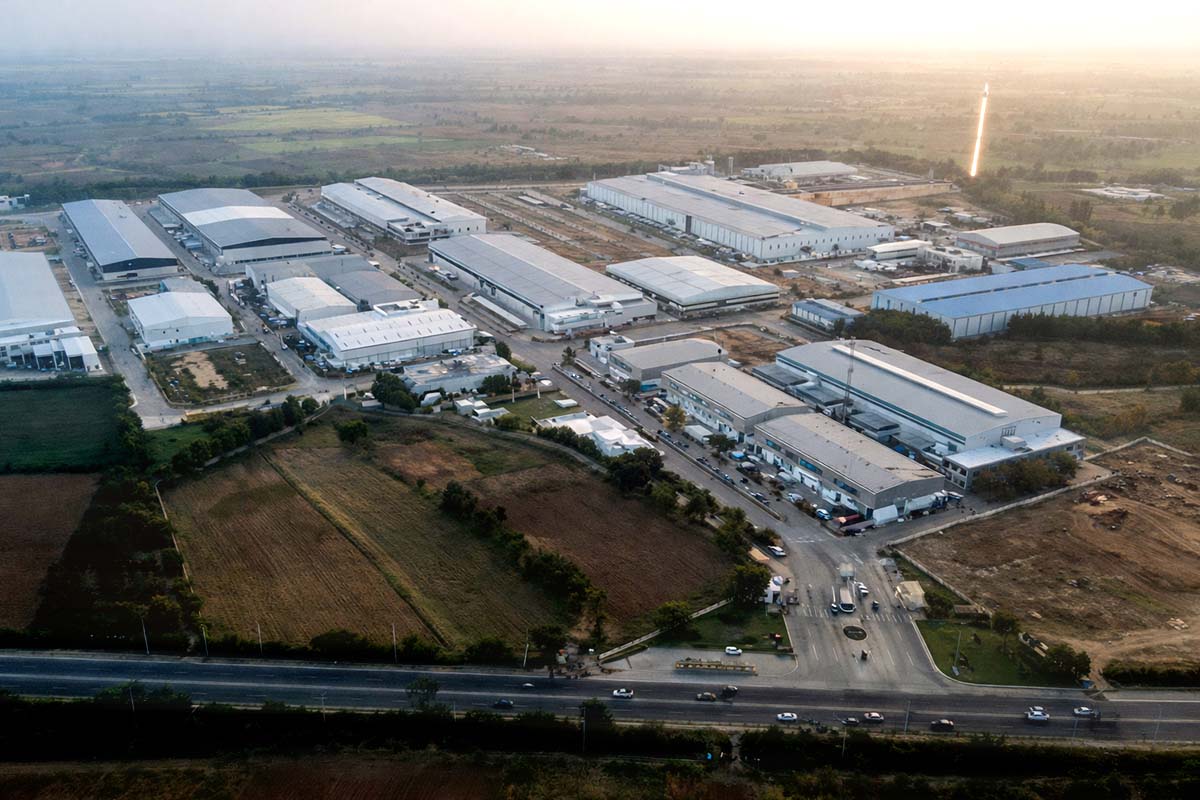
Expanding a manufacturing or logistics business involves much more than acquiring additional land. Businesses must consider construction timelines, utility availability, logistics, workforce requirements, operating costs, and future capacity before investing in a new facility. This is where industrial infrastructure becomes an important part of expansion planning.
A well-planned industrial ecosystem can help businesses reduce infrastructure-related delays, improve movement of goods, manage operational requirements, and create room for future growth. Instead of developing every supporting facility independently, businesses can operate within an organised environment designed around industrial requirements. For companies evaluating industrial infrastructure in Gujarat, understanding these factors can make the difference between simply acquiring industrial space and choosing a location that can support long-term expansion.
Don’t let infrastructure become the weakest link in your expansion plan.
Find a Lower-Risk Industrial Setup
1. Reduces the Risk of Project Delays
One of the most common challenges during industrial expansion is the time required to make a new site operational. Businesses may need to arrange access roads, electricity, water, drainage, communication systems, and other essential infrastructure before production or warehousing can begin. Delays in any of these areas can affect project timelines and increase the cost of expansion. A planned industrial park can reduce some of these infrastructure-related uncertainties by providing essential facilities as part of the overall development.
For example, Mascot Industrial & Logistics Park near Sanand is a 50-acre development adjacent to Sanand GIDC, with access from the GIDC 16-metre road and connectivity to NH-47. The project is planned around manufacturing and allied industrial operations. For businesses working with defined expansion schedules, such infrastructure can provide a more organised starting point.
2. Makes Expansion Costs Easier to Plan
The cost of setting up an industrial facility does not end with land and construction.
Businesses may also need to budget for:
- Internal roads and access infrastructure
- Power and water systems
- Drainage and sewage infrastructure
- Security
- Communication facilities
- Workforce support
- Logistics requirements
- Future infrastructure upgrades
If these requirements are discovered after acquiring a site, they can create additional expenditure and disrupt the original expansion budget. Choosing an established industrial park in Gujarat allows businesses to evaluate the infrastructure already available before making an investment. This can make it easier to identify additional requirements and build a more realistic expansion budget.
Choose an industrial ecosystem that can keep up when your business outgrows today’s capacity.
3. Improves Logistics and Movement of Goods
For manufacturers, warehouses and logistics businesses, connectivity is a critical part of infrastructure planning. Raw materials need to reach facilities efficiently, while finished goods must move towards customers, distribution centres, warehouses and ports. Internal roads also need to accommodate regular industrial traffic.
Mascot Industrial City at Vitthalapur, for example, is developed across a large industrial ecosystem with planned internal infrastructure and connectivity designed around industrial and logistics requirements. Mascot’s project portfolio also includes developments at Kadi, Kheda, Sanand and Surat. The result is a broader industrial environment where location and infrastructure can be evaluated together rather than separately.
4. Creates Room for Future Expansion
A facility that works today may not be sufficient five years from now. Production volumes can increase. New customers may require additional capacity. Businesses may introduce new product lines or need more warehousing and distribution space. This makes scalability an important factor when evaluating industrial infrastructure for business expansion.
Businesses should consider:
- Availability of additional land
- Scope for facility expansion
- Internal road capacity
- Utility scalability
- Surrounding industrial development
- Scope for future workforce facilities
Mascot’s approach focuses on developing industrial and logistics ecosystems designed around long-term business requirements. Its current portfolio includes the 85-acre Mascot Industrial Park in Kadi and the larger industrial development at Vitthalapur. Planning for future requirements at the site-selection stage can help businesses avoid having to relocate simply because they have outgrown their original facility.
Ready to expand? Start with infrastructure that’s built for what comes next.
Discover Expansion-Ready Spaces
5. Supports Workforce Requirements
Industrial expansion depends on people as much as physical infrastructure. A location may have excellent land and road connectivity, but businesses can still face operational challenges if employees have limited access to essential supporting facilities. Depending on the development, facilities such as dormitories, canteens, medical support, and other amenities can contribute to a more functional industrial ecosystem.
Mascot’s developments incorporate supporting facilities alongside industrial infrastructure. Its Sanand project, for instance, highlights dormitory and canteen facilities as part of the development. For businesses requiring a sizeable workforce or multiple shifts, evaluating these facilities during location selection can be an important part of expansion planning.
6. Helps Reduce External Operational Risks
Infrastructure problems outside a factory can eventually become operational problems inside it. Poor access roads can affect vehicle movement. Inadequate drainage can create difficulties during heavy rainfall. Limited utility infrastructure can restrict production requirements. Weak security or insufficient emergency access can introduce additional operational concerns. This is why businesses should assess the complete industrial environment instead of evaluating only the individual plot.
A professionally planned industrial ecosystem can bring infrastructure such as roads, utilities, security, drainage, emergency access, and supporting services into a broader development plan. The objective is not to eliminate every possible operational risk, but to reduce avoidable infrastructure-related challenges before they become part of daily business operations.
More space is not enough. You need the right ecosystem.
7. Provides Access to an Established Industrial Ecosystem
An isolated industrial site may require a business to build much of its supporting ecosystem independently. An established industrial location can provide access to existing industrial clusters, transportation networks, nearby businesses, and supporting infrastructure.
Mascot’s experience spans industrial and logistics developments across Gujarat, including Kadi, Kheda, Sanand, Surat, and Vitthalapur. The company states that it has been developing industrial and logistics spaces for more than 25 years, with 47 million sq. ft. of facilities created and 25 million sq. ft. in its pipeline. For expanding businesses, this broader ecosystem can be considered alongside factors such as location, connectivity, infrastructure, and future capacity.
Industrial Infrastructure Checklist for Businesses Planning Expansion
Before choosing an industrial park or industrial location, businesses should evaluate more than the available land area.
1. Connectivity: Can raw materials, employees, and finished goods move efficiently to and from the facility?
2. Utility Infrastructure: Are power and water systems suitable for the business’s current and future requirements?
3. Internal Roads: Can the road network support regular movement of trucks, containers, and other industrial vehicles?
4. Drainage and Sewage: Are adequate systems available to support daily operations and manage wastewater?
5. Workforce Facilities: Are facilities such as accommodation, canteens, or medical support available where required?
6. Security and Emergency Access: Does the development have appropriate security and access provisions for industrial operations?
7. Scalability: Can the business expand its facility, capacity, or footprint without immediately needing to relocate?
8. Industrial Ecosystem: Is the location connected to established manufacturing, logistics, and commercial activity?
Evaluating these factors together gives businesses a clearer picture of whether an industrial location can support both immediate operations and future growth.
Planning your next manufacturing or logistics facility?
Find The Infrastructure to Support It
Frequently Asked Questions
1. What is industrial infrastructure?
Industrial infrastructure refers to the physical facilities and systems that support industrial operations, including roads, utilities, water, drainage, power, connectivity, security, and supporting amenities.
2. Why is industrial infrastructure important for business expansion?
Strong infrastructure can help businesses manage setup requirements, improve logistics, support workforce needs, and prepare facilities for future growth.
3. What should businesses check before choosing an industrial park?
Businesses should evaluate connectivity, power and water availability, internal roads, drainage, security, workforce facilities, scalability, and the surrounding industrial ecosystem.
4. How does industrial infrastructure affect manufacturing?
Infrastructure can influence how efficiently raw materials, people, and finished goods move through an operation while also affecting setup timelines and ongoing operational requirements.
5. Why consider industrial parks in Gujarat for expansion?
Businesses evaluating Gujarat can assess established industrial locations based on connectivity, infrastructure, proximity to industrial clusters, workforce availability, and scope for future expansion.
Choose Infrastructure That Can Grow With Your Business
Industrial expansion involves substantial investment, so the infrastructure surrounding a new facility should not be treated as an afterthought. The right industrial infrastructure in Gujarat can provide a more structured foundation for manufacturing, warehousing, and logistics operations, from connectivity and utilities to workforce support and future scalability. Mascot Infra’s portfolio across Gujarat reflects this ecosystem-focused approach, with industrial and logistics developments designed to support businesses at different stages of growth.
Your next expansion deserves more than an empty plot. Build where growth is already planned.